
Reviewed · MāORI CULTURAL TOURS
Auckland : Rotorua Living Maori Village with Haka and Hangi Lunch
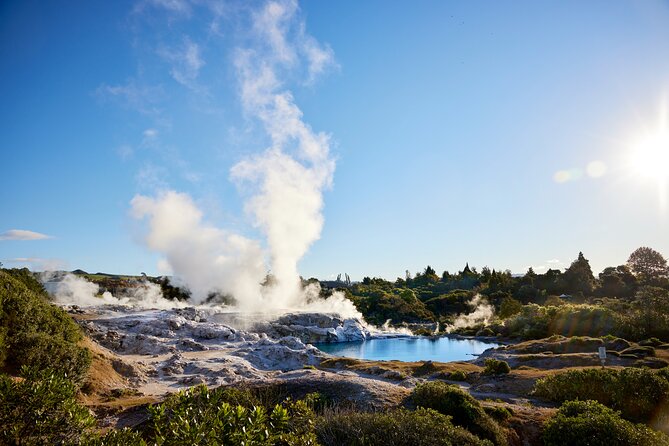
Rotorua’s earth puts on the first show here. At Whakarewarewa, The Living Māori Village, steam rises beside homes, bubbling mud pools simmer, and geysers send water skyward. You get Māori culture from people connected to this place, not just a museum display.
I like two things especially: the guide was born and raised in the village and still lives there, and the day joins a strong cultural program with a hāngī meal cooked using natural steam. The haka adds real energy, while the geothermal setting gives the visit a sense of place.
The catch is the schedule. About six and a half hours are spent on the road between Auckland and Rotorua, so this is a full, tiring day. Also, the tour details describe lunch as included in the experience, but the inclusions list says lunch is not included. Confirm that point before you pay.
Key points to know before booking
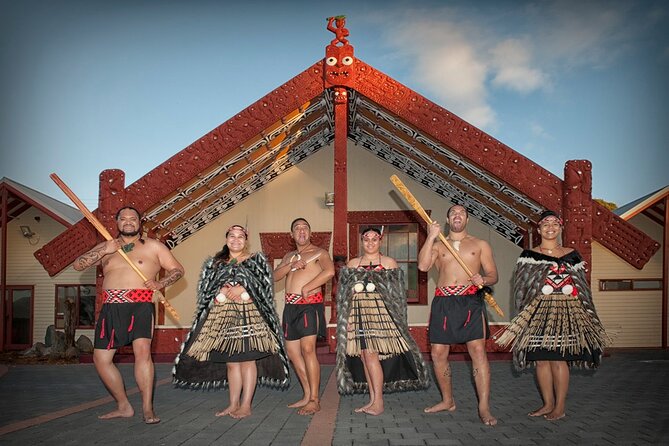
- A village guide with a personal connection: Your guide is described as born and raised at Whakarewarewa and still living there, giving the visit a local voice.
- Geothermal activity beside daily life: You walk past steam vents, mud pools, and geysers while learning how the community lives with the heat below.
- Haka and cultural performance included: The performance adds movement, sound, and ceremony to the history and storytelling.
- Hāngī lunch prepared with geothermal steam: The meal is presented as a traditional taste of Māori heritage, followed by dessert.
- Small maximum group of 11: This is a more manageable format than a large coach outing, though the road journey remains long.
- Rotorua highlights after the village: You see Government Gardens, Lake Rotorua, Sulphur Point, and the Rotorua Museum area on a short driving tour.
Why Whakarewarewa makes this day different
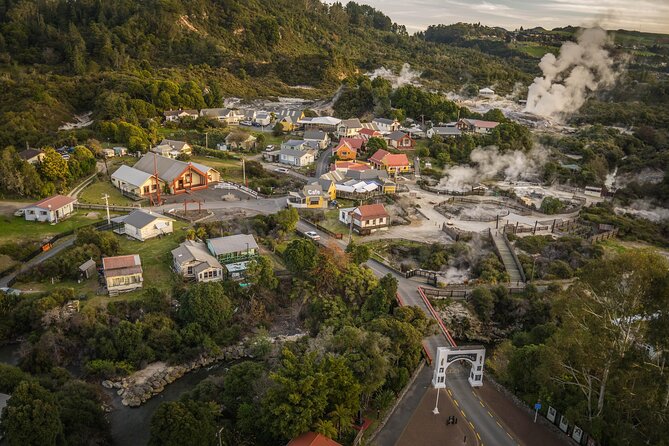
Many Rotorua excursions focus on geothermal scenery. This one adds something more personal: Whakarewarewa is a living Māori village, where geothermal forces are part of the setting for an ongoing community rather than a backdrop for a quick photo stop.
That distinction matters. You are not simply looking at a hot pool and moving on. A local Tūhourangi Ngāti Wāhiao guide explains how people live in a place shaped by steam, heat, and mineral water. The supplied details identify the guide as someone born and raised in the village who still lives there. No guide name is provided, but that personal connection is one of the strongest features of the day.
Expect a guided walk along village trails. You will see bubbling mud pools, steaming vents, and spouting geysers, with Māori history and mythology tied to the geothermal features. The combination of story and scenery should help you understand why Rotorua is more than a collection of hot springs.
The visit lasts about four hours, which gives the village program room to breathe. You are not being rushed through a twenty-minute stop. At the same time, the length means you should be ready for plenty of walking and outdoor time. Wear practical shoes and bring a light layer, since the day moves between Auckland’s roads, Rotorua’s open-air sights, and geothermal areas.
More Māori Cultural Tours in Auckland
- Waitomo Caves & Rotorua – Te Puia Small-Group Tour from Auckland
★ 4.5 · 681 reviews - Auckland: Waitomo Caves & Rotorua – Te Puia Small-Group Tour
★ 4.8 · 223 reviews - Hobbiton & Rotorua Small Group Tour including Te Puia from Auckland
★ 5.0 · 190 reviews
The early road from Auckland to Rotorua
The tour begins at 6:00 a.m. in Auckland Central. That early start is the price of fitting Rotorua into a single day from Auckland. The drive to the village takes about three hours and 15 minutes, followed by a similar return journey.
You travel in an air-conditioned vehicle with bottled water, snacks, and a guide. Those basics matter on a long road day. You can settle in, watch the North Island scenery change, and avoid the work of driving or planning stops yourself.
The route is described as scenic, with views across lush countryside. The road time can still feel long, especially if you prefer slow travel or want several hours in Rotorua itself. One direct comment about the experience called the ride long, while also noting that stops were made as needed. That is useful context: the transport is not a minor part of the tour, but the guide can help make the journey more comfortable.
A small group maximum of 11 is a real advantage. You are less likely to feel lost in a large crowd, and it should be easier to hear the guide and ask questions. The vehicle is still shared, so you should not expect a private car or a flexible, stop-anywhere itinerary.
Entering the living Māori village
Whakarewarewa is the heart of the day. On arrival, you are welcomed by the Tūhourangi Ngāti Wāhiao people and begin a guided cultural visit through the village.
The important point is that the geothermal activity is not separated from local life. Steam rises from the ground while you hear about community traditions, Māori stories, and ways of using the natural heat. The experience connects the physical place with the people who call it home.
You will pass geothermal features such as mud pools and steaming vents. Geysers provide the most dramatic moments, but the quieter details may be just as valuable: the smell of sulphur, the constant heat in the air, and the way the ground announces its presence at every turn.
The village setting also gives the guide a chance to explain history through lived experience. Since the guide is described as a current resident who grew up there, you can expect the commentary to feel more grounded than a standard sightseeing script. I would pay close attention to local explanations and ask questions when the opportunity comes. The cultural value of the visit is in that exchange, not only in the photographs.
The haka brings the history to life
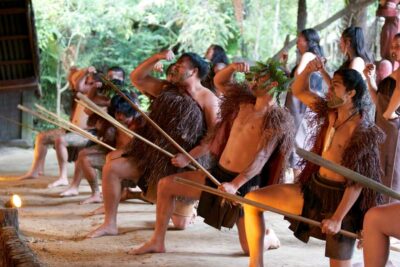
The cultural performance includes a haka, one of the most memorable parts of the program. A haka is not simply a dance for tourists. It uses posture, movement, facial expression, rhythm, and voice to communicate strength, identity, and feeling.
For you, the performance provides a different way to encounter Māori culture after the walking tour. The village visit gives you context, while the haka brings sound and physical force into the room. It is lively and direct, and it breaks up the more reflective parts of the day.
The program is described as a haka and cultural performance rather than a full list of individual acts. You should therefore avoid booking this with the expectation of a specific named performance or detailed stage schedule. The useful promise is a focused cultural presentation connected to the village and its people.
More Māori cultural evenings and village visits:
- Auckland: Rotorua Wai-O-Tapu, Te Puia with Haka
★ 4.9 · 161 reviews - From Auckland: Hobbiton & Rotorua Tour with Lunch at Te Puia
★ 4.6 · 149 reviews - From Auckland: Rotorua Māori Village & Activity Combinations
★ 4.7 · 125 reviews - Auckland: Hobbiton and Rotorua Day Tour including Te Puia
★ 4.9 · 96 reviews
Hāngī lunch and the practical price question
The meal is described as a traditional hāngī cooked with natural steam, followed by a sweet dessert. Hāngī is closely tied to New Zealand Māori cooking, where food is prepared using heat from the earth rather than a standard oven. In Rotorua, geothermal steam makes that connection especially fitting.
I like the way the meal follows the cultural program. You first learn about the place, then see a performance, and then sit down to taste a tradition linked to the same geothermal environment. That gives lunch more meaning than an ordinary meal break.
There is one important booking detail to check. The main experience description says you will enjoy a hāngī lunch and dessert, and the tour summary presents the meal as part of the visit. However, the formal inclusions list says lunch is not included. Breakfast and dinner are also listed as not included, which is easy to understand, but the lunch wording conflicts with the description.
At $232.71 per person, the value depends heavily on what that price covers. You are paying for transport from Auckland, a guide, the village admission, the cultural program, geothermal sightseeing, and the Rotorua driving tour. If the hāngī lunch is included, the package is easier to justify because you avoid arranging food during a long, tightly scheduled day. If it is not included, budget for lunch separately and confirm the meal arrangement before booking.
The price is best suited to someone who wants convenience and several experiences combined. It is less attractive if you already have a car, plan to spend several nights in Rotorua, or prefer choosing your own restaurants and attractions.
Rotorua’s Government Gardens, lake, and sulphur
After about four hours at Whakarewarewa, the tour shifts to a roughly 30-minute guided driving tour of Rotorua. This is a quick overview, not a full city visit.
The route includes the Government Gardens, Lake Rotorua, Sulphur Point, and the historic Rotorua Museum. Each stop gives you a different view of the city. The gardens provide a more formal and peaceful setting after the geothermal activity. Lake Rotorua opens up the scale of the region, while Sulphur Point brings you back to the unmistakable smell and visible signs of volcanic activity.
The Rotorua Museum is included as a historic city landmark, but the details do not say that you enter the building. Treat this section as an exterior or driving orientation unless your guide says otherwise. With only 30 minutes allocated, there is not enough time for a detailed museum visit.
This short city circuit works well if you have never seen Rotorua and want basic bearings before moving on. It will not satisfy you if Rotorua itself is a major focus of your trip. In that case, stay overnight and explore the city at a slower pace.
The long return to Auckland
The return drive takes another three hours and 15 minutes. By this point, you will have spent much of the day on the road, even though the village visit is substantial.
The upside is simplicity. You do not need to find your way back, change buses, or arrange a second ticket. You can rest in the air-conditioned vehicle, have the provided water and snacks, and think over the cultural and geothermal parts of the day.
The downside is that Auckland and Rotorua are far enough apart to make this a demanding day trip. Families with very young children, people who dislike early starts, and anyone who wants an unhurried cultural visit may prefer an overnight stay in Rotorua.
For a first-time visitor with limited time, though, the return journey may be a fair trade. You get a substantial village experience and a quick look at Rotorua without changing hotels.
Who will get the most from this tour
I would recommend this experience to you if Māori culture is a central reason for visiting New Zealand. The village guide’s local connection, the geothermal setting, the haka, and the hāngī meal give the day a clear cultural focus.
It also suits you if you are staying in Auckland and do not have room in your schedule for an overnight trip. The tour handles the transport and links several major Rotorua experiences in one booking.
The small group limit of 11 is helpful for solo visitors and couples who want a more personal setting. It also suits most people physically, since the activity information says most travelers can participate. You should still be comfortable with a long day, outdoor walking, and several hours seated in a vehicle.
I would hesitate if you want extensive free time, a slow food experience, or a detailed visit to Rotorua’s museums and attractions. The itinerary is carefully packed, and the 30-minute city section is too brief for much independent exploration.
Timing, cancellation, and what to bring
The 6:00 a.m. start is fixed, so plan your Auckland morning carefully. Pickup is offered, but the supplied details do not specify every pickup location or the exact pickup window. Confirm the meeting instructions after booking.
Bring comfortable walking shoes and clothing suitable for changing outdoor conditions. Bottled water and snacks are provided, but breakfast is not, so you should plan for food before departure. Dinner is also not included, which matters because you return to Auckland after a long day.
Mobile tickets are accepted, and confirmation is provided when you book. The experience normally allows free cancellation up to 24 hours before the start time. Changes or cancellations inside that window are not accepted for a refund, and the tour may require a minimum number of participants. If that minimum is not met, you are offered another date or experience, or a full refund.
The tour is operated by Expedigo Tours and Travels Auckland. It is generally bookable well ahead, with an average booking point listed as 48 days before departure. That timing is a useful hint for busy travel periods, especially if you want a particular date.
Should you book the Auckland to Rotorua day trip?
Book it if you want one organized day centered on Māori culture, and you accept the long drive as part of the bargain. Whakarewarewa is the reason to choose this tour: a local guide, geothermal features, village stories, haka, and hāngī create a stronger sense of place than a quick attraction stop.
Think twice if you have enough time to sleep in Rotorua. An overnight visit would give you more room for the city, a less rushed meal, and a slower look at the geothermal area. Before paying $232.71, also confirm whether the hāngī lunch is included, since the supplied information gives conflicting answers.
For a first visit from Auckland, the package offers a practical mix of culture, scenery, food, and transport. It is a long day, but the village program gives the journey a worthwhile purpose.
FAQ
What time does the tour start?
The tour starts at 6:00 a.m.
Where does the tour begin?
The stated starting point is Auckland Central, with pickup offered.
How long does the experience last?
The full tour takes approximately 11 to 12 hours.
How long is the drive from Auckland to Rotorua?
The outbound drive takes about three hours and 15 minutes. The return drive takes about the same amount of time.
What is Whakarewarewa, The Living Māori Village?
It is a living Māori village connected with the Tūhourangi Ngāti Wāhiao people, set among geothermal features such as steaming vents, bubbling mud pools, and geysers.
Is a Māori cultural performance included?
Yes. The experience includes a haka and cultural performance.
Is lunch included?
The experience description includes a traditional hāngī lunch and dessert, but the formal inclusions list says lunch is not included. Confirm this with the provider before booking.
How large is the tour group?
The maximum group size is 11 travelers.
Can I cancel for a full refund?
Yes, if you cancel at least 24 hours before the experience start time. Cancellations or changes made less than 24 hours in advance are not refunded.
More Lunch Experiences in Auckland
- Hobbiton & Waitomo Caves Guided Day Trip from Auckland incl lunch
★ 5.0 · 2,677 reviews - From Auckland: Hobbiton & Waitomo Caves Day Trip with Lunch
★ 4.9 · 2,505 reviews - Auckland: Hobbiton Movie Set Day Trip with Festive Lunch
★ 4.8 · 1,431 reviews - Hobbiton & Waitomo Caves Small-Group Tour W Lunch from Auckland
★ 5.0 · 1,117 reviews
Just added around Auckland
- Auckland Airport Private One-Way or Round-Trip Transfer★ 4.5 · 14 reviews
- Zombie Bite Escape Room Experiences★ 5.0 · 54 reviews
- Kumeu Wine Region Shuttle from Auckland★ 4.5 · 19 reviews
- Auckland’s Wild West Coast & Black Sand Beaches Tour inc Lunch★ 5.0 · 12 reviews
- Vineyards Honey and Black Sand Beaches from Auckland★ 5.0 · 93 reviews
- Wētā Workshop Unleashed – Intro to Scars and Scrapes Workshop★ 5.0 · 5 reviews
- West Coast Discovery Tour★ 5.0 · 37 reviews
- West Coast Discovery Piha Beach Private Tour★ 5.0 · 14 reviews
Māori Cultural Tours, compared.
Mitai Maori Village: Cultural Experience and Dinner Buffet
Read our review →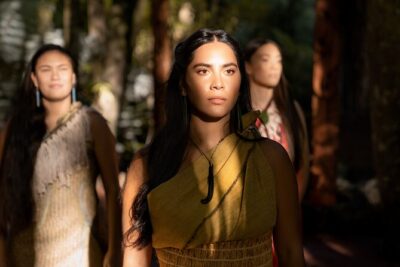
Cultural Experience & Seasonal Māori Cuisine at Te Pā Tū
Read our review →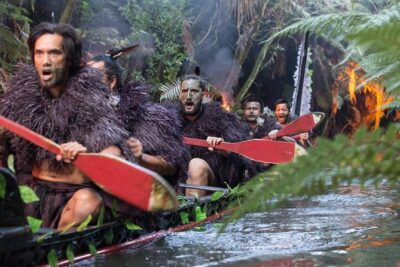
Mitai Maori Village Cultural Experience in Rotorua
Read our review →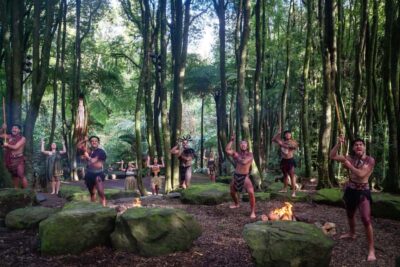
Te Pa Tu Māori Cultural Experience with Dinner
Read our review →
Lake Taupo: Sailboat Trip to the Maori Rock Carvings
Read our review →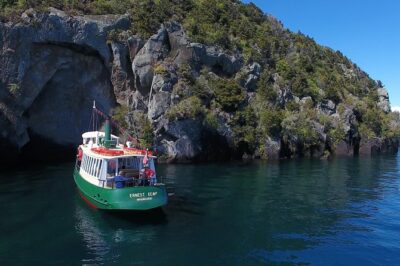
Lake Taupō Māori Rock Carvings Scenic Cruise aboard Ernest Kemp
Read our review →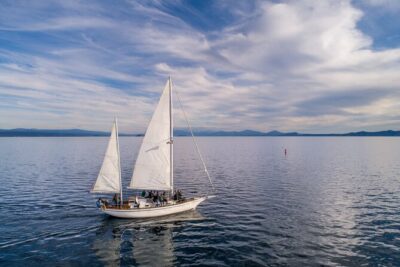
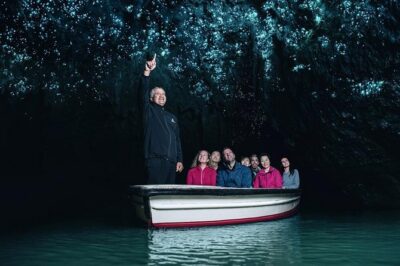
Waitomo Caves & Rotorua – Te Puia Small-Group Tour from Auckland
Read our review →Browse the lists this tour appears in