
Reviewed · WAITOMO TOURS
Auckland North Shore Glowworm Tour
The best part of this Auckland North Shore outing comes when the track grows dark and tiny blue-green lights appear in the bush. Awaruku Reserve’s glowworms live in their natural setting, not behind glass or a cave walkway, so the experience feels like a quiet encounter with the forest rather than a staged attraction.
I like two things right away: the small group, capped at 10, and the guide-led explanation of how glowworms use silk threads and light to catch prey. I also like that the walk puts the insects in a wider setting, with Kauri trees, Nikau Palms, native birds, Māori settlement history, and conservation work all part of the story. The main consideration is the timing information: the activity is described as 45 minutes, while the itinerary lists a 105-minute guided tour at Awaruku Reserve. Confirm the exact schedule when you book.
Key points to know before you go
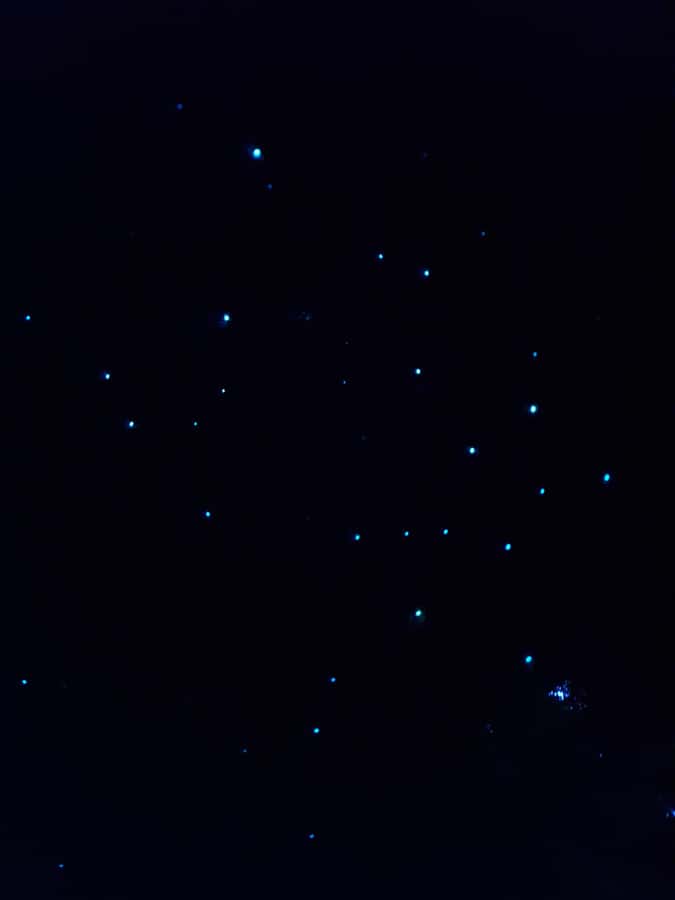
- Glowworms in open native bush: See Arachnocampa luminosa in the forest without barriers between you and the display.
- A short Auckland alternative to Waitomo: You can see glowworms on the North Shore rather than making the longer trip south.
- Small groups of up to 10: A useful size for asking questions and getting close to the guide.
- Awaruku Reserve has more than glowworms: The walk includes Kauri trees, Nikau Palms, native wildlife, Māori history, and restoration work.
- Guides add personality: Past bookings specifically praised guides named Legend and Chris for clear explanations and an easy manner.
- Bring walking shoes and a camera: The track is described as easy and well maintained, but it is still a bush walk after dark.
Why Awaruku Reserve makes this glowworm tour different
Auckland is often treated as a starting point for bigger North Island adventures. This tour makes the city itself part of the nature itinerary. Awaruku Reserve sits on Auckland’s North Shore and covers more than 12 hectares of native forest, giving you a chance to see glowworms without committing to the long journey to Waitomo.
That matters if you have only a few days in Auckland. Several past participants specifically appreciated avoiding the drive to Waitomo, while still seeing glowworms in a natural bush setting. You will not get the large cave experience associated with Waitomo, and this is not presented as a substitute for every part of that trip. It is a more local, shorter outing centered on the forest and the glowworms.
The setting also gives the guide more to talk about. The reserve contains Kauri trees and Nikau Palms, and the area has links to ancient Māori settlements. That context keeps the walk from becoming a simple stop, look, and leave activity. You learn how the forest fits into the area’s human and natural history.
A few more Auckland half-days to weigh up
- Waiheke Island: Ferry & Hop-On Hop-Off Explorer Bus Tickets
★ 4.6 · 3,311 reviews - Hobbiton & Waitomo Caves Guided Day Trip from Auckland incl lunch
★ 5.0 · 2,677 reviews - From Auckland: Hobbiton & Waitomo Caves Day Trip with Lunch
★ 4.9 · 2,505 reviews
Meeting outside Hairluxx Boutique Torbay
The meeting point is outside Hairluxx Boutique Torbay, at approximately -36.698219299316406, 174.73330688476562. Your guide meets you there before leading the group toward Awaruku Reserve.
This is an important detail to handle carefully. The tour does not describe hotel pickup or a transfer from central Auckland, so you should plan your own way to the meeting point. Check the exact starting time and allow enough time to find the boutique before dusk. The supplied details give both a 45-minute duration and a 105-minute reserve itinerary, so it is sensible to verify how long the full outing takes.
The group limit of 10 is one of the strongest practical features. A small group makes it easier to hear explanations in a quiet forest, and you are less likely to lose the guide when the trail narrows or the light fades. It also gives you a better chance to ask about the insects, plants, and birds without turning the walk into a lecture for a crowd.
The tour is conducted in English. Comfortable walking shoes are required, and a camera is recommended. You do not need special equipment according to the supplied information.
The walk through native forest
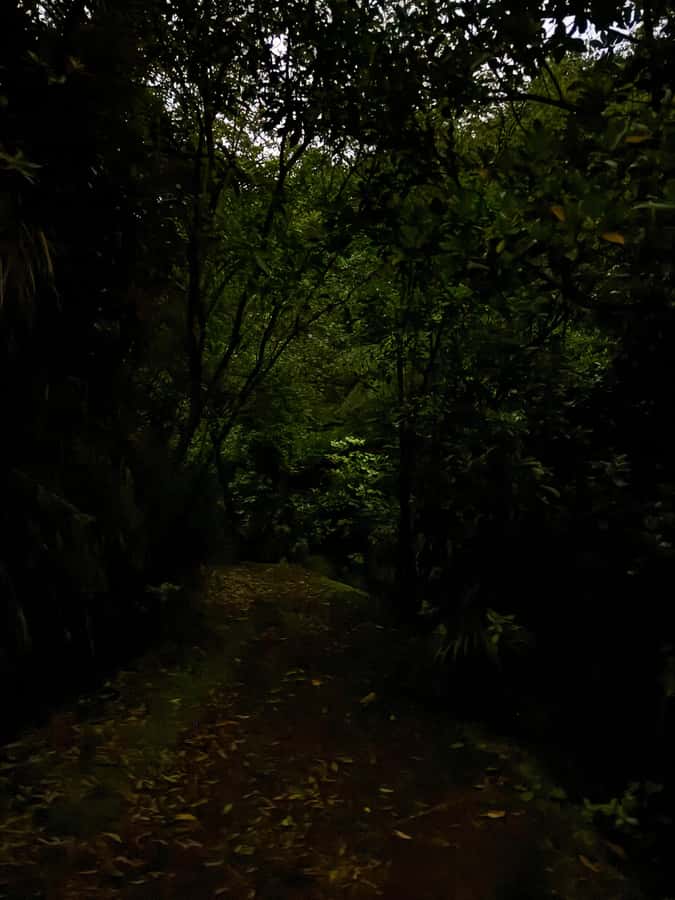
After a welcome and short safety briefing, the guide takes you along the reserve tracks. The walk is intended to be easy, and one detailed account described the track as well maintained. That makes the outing suitable for people who want a gentle evening activity rather than a strenuous hike.
Still, do not treat easy as meaning completely effortless. You are walking through native bush in low light, so comfortable shoes matter. The guide’s safety briefing is useful for setting the pace and helping everyone move carefully once darkness arrives.
As the forest quiets, the guide points out the reserve’s plant life. Kauri trees are among New Zealand’s best-known native trees, while Nikau Palms give the bush a distinctly local feel. These details are easy to miss if you arrive only for the glowworms, but they help you understand why the reserve supports such a special night environment.
The Māori history of the area adds another layer. The site is associated with ancient Māori settlements, and the guide shares that background while you walk. This is valuable because it places the reserve in a human story as well as a biological one. You are not simply looking at a dark patch of bush. You are learning why the place matters.
When the glowworms begin to shine
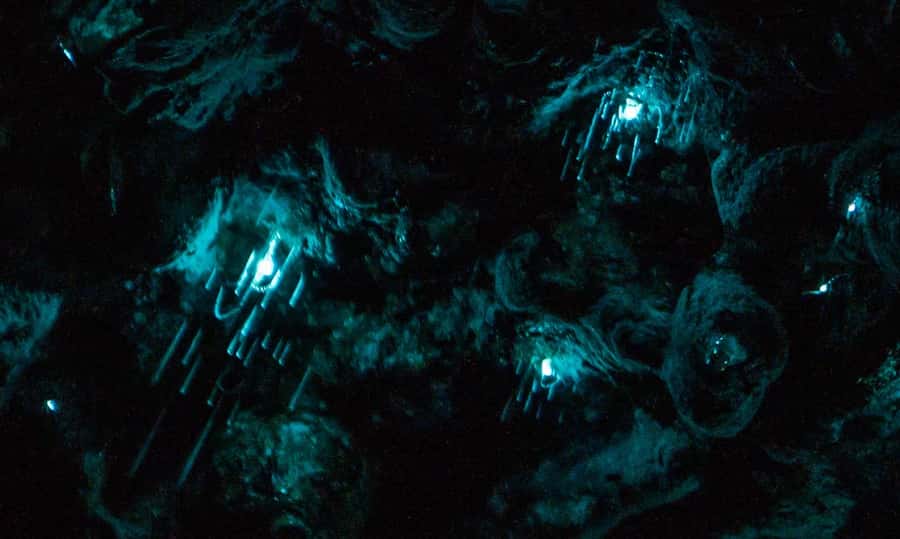
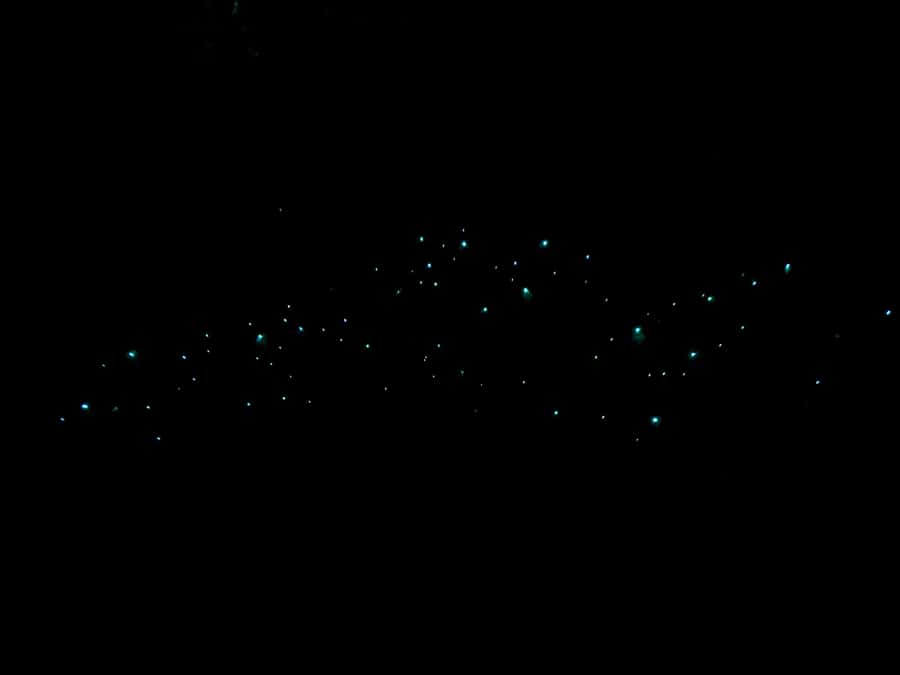
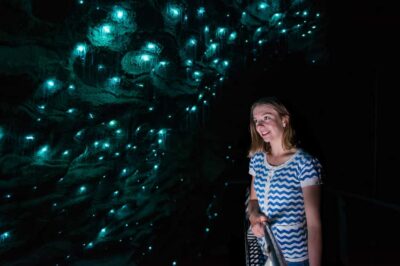
The glowworm viewing happens at a secluded part of the reserve known for its displays. As dusk turns to night, Arachnocampa luminosa produces a soft blue-green light. These creatures are larvae, not worms in the usual sense, and the light is part of their method for catching prey.
The guide explains their lifecycle and the way they use silk threads with the light. The silk hangs as a trap, while the glow helps attract small insects. That small piece of science changes what you see. Instead of treating the lights as decoration, you begin to understand them as part of a precise survival system.
The viewing is close and direct. The experience description says you can see the glowworms in their natural habitat without barriers, and several detailed accounts praised being able to get very close. That closeness is likely to be a highlight for anyone who has only seen glowworms in photographs.
You should also set your expectations correctly. Natural light displays depend on nature, and the number of visible glowworms can vary. The supplied information describes the sightings as natural, and it also notes that other forms of bioluminescence depend on conditions. The tour gives you a chance to see the glowworms, but it cannot promise an identical display on every night.
Photography is allowed, and bringing a camera makes sense. In practice, the forest will be dark, and the tiny lights are delicate. The information does not provide camera guidance, so I would treat photography as a bonus rather than the main purpose of the outing. Keep your attention on the view in front of you. A screen can make a quiet forest feel surprisingly busy.
More Waitomo cave trips:
- Hobbiton & Waitomo Caves Small-Group Tour W Lunch from Auckland
★ 5.0 · 1,117 reviews - Hobbiton & Waitomo Caves Guided Tour from Auckland with Lunch
★ 4.5 · 796 reviews - From Auckland: Waitomo & Hobbiton Bus Tour with Lunch
★ 4.7 · 789 reviews - Waitomo Caves & Rotorua – Te Puia Small-Group Tour from Auckland
★ 4.5 · 681 reviews
What the guides add to the evening
The guide is central to this experience. Without the explanations, you would see small points of light. With the explanation, you understand the insect, the habitat, and the conditions that make the display possible.
Past bookings identify Legend and Chris by name. Legend was praised for explaining the glowworms and their environment while answering questions about the forest and wildlife. Chris was singled out for sharing many interesting facts in a lively way. Those comments suggest that the guiding style can be both informative and relaxed, though the guide assigned to your date may be different.
That mix is useful on a short tour. You get the key facts without spending the entire evening in a formal talk. One account also described the guide as funny, which matters in a dark forest where a calm, friendly leader helps the group feel at ease.
The maximum group size of 10 supports this style. You can ask why the glowworms are placed where they are, how the light works, or what other wildlife uses the reserve. The supplied information does not promise a particular animal sighting, so think of birds and other wildlife as part of the setting, not a guaranteed feature.
Conservation, Kākā, and Kererū
After the glowworm viewing, the group takes a short walk focused on conservation. This part gives the evening a useful purpose beyond the spectacle. Awaruku Reserve supports native species such as the New Zealand Kākā and Kererū, and the guide explains restoration work intended to protect them.
You may not see either bird during a night walk. The value is in learning how the forest is being cared for and why healthy native bush matters to species that depend on it. The glowworms are not an isolated attraction. They are part of a living system that includes trees, insects, and birds.
I especially like this section because it helps you leave with a more accurate picture of wildlife tourism. The goal is not simply to find something unusual, point a light at it, and move on. You learn that the reserve needs ongoing care, and that small places near a major city can support important native life.
The conservation walk also gives the tour a quieter rhythm after the main glowworm viewing. You have time to absorb what you saw rather than rushing straight back to the road.
Bioluminescence beyond the glowworms
The tour information also refers to natural bioluminescence in coastal areas when conditions are right. This may include bioluminescent dinoflagellates, microscopic marine organisms that can make water and shoreline glow. The same general idea appears in the provider’s dedicated bioluminescence kayak experiences.
Do not book this particular walk expecting a guaranteed coastal water display. The main setting described here is Awaruku Reserve and its forest glowworms. The coastal bioluminescence note is condition-dependent, so it is best understood as an occasional part of related night experiences rather than a fixed stop on every outing.
The science is still worth knowing. Bioluminescence is light produced by living organisms. In the forest, you are looking at glowworms. In the water, the light can come from dinoflagellates. The comparison shows that New Zealand’s night life is not limited to the familiar daytime sights.
Timing, value, and who should book
No tour price is provided in the supplied information, so I cannot judge the exact fare. The value depends on what you compare it with. If you are already staying on Auckland’s North Shore, a short local outing can save you the time and cost of traveling to Waitomo. You also get a small group and a guide who explains the biology and the reserve rather than offering only a viewing stop.
The value is weaker if your main goal is a large cave system or a longer full-day excursion. This is a compact bush experience, not a major North Island journey. The reserve setting is its strength, but it also means the display is natural and conditions can vary.
I would recommend it most strongly for:
- You have limited time in Auckland but want an evening nature activity.
- You are curious about glowworms and want to understand how they live.
- You prefer a small group to a large coach outing.
- You enjoy native forest, conservation, and local history along with wildlife.
- You want an alternative to driving to Waitomo.
- You are comfortable walking on an easy bush track after dark.
It may not suit you if you want a guaranteed photograph-ready display, a fully enclosed venue, or transport from central Auckland. The supplied details also do not describe accessibility arrangements, so anyone with mobility concerns should ask the provider before booking.
Cancellation is flexible: you can cancel up to 24 hours ahead for a full refund. The reserve now and pay later option can help if your Auckland schedule is still changing.
The walk back through the dark reserve
The tour ends with a peaceful walk back to the car park and then to the Hairluxx Boutique meeting point. That return is part of the experience, not just dead time. After the glowworms, the forest feels different. You have learned to notice the dark, the quiet, and the small signs of life around you.
One past account even noted that a friendly cat joined the walk, though that is clearly not a planned feature and should not be expected. The important point is that the outing has a relaxed, local character. It is not built around rushing from one major sight to another.
The return also gives you a final chance to ask the guide questions. Use it. On a short tour, the walk back is often when the basic facts turn into a clearer sense of how the reserve works.
My verdict on the Auckland North Shore Glowworm Tour
I would book this tour if I wanted a low-key Auckland evening with a real natural focus. The strongest reasons are the close viewing in open bush, the small group, and the guide’s explanation of glowworm biology and conservation.
The tour is especially appealing because you can see glowworms without leaving Auckland for Waitomo. Just keep your expectations practical: this is a short forest walk, not a grand cave expedition, and natural sightings vary. Confirm the duration before paying, wear proper walking shoes, and bring a camera without letting photography take over.
If that sounds like your kind of night, this is a good way to meet New Zealand’s living lights close to the city.
FAQ
Where does the Auckland North Shore Glowworm Tour meet?
Meet outside Hairluxx Boutique Torbay. The listed coordinates are -36.698219299316406, 174.73330688476562.
Where does the glowworm viewing take place?
The guided walk takes place at Awaruku Reserve on Auckland’s North Shore.
How long does the tour last?
The activity information states 45 minutes, while the itinerary lists a 105-minute guided tour at Awaruku Reserve. Confirm the exact duration and schedule when booking.
What language is the tour conducted in?
The live tour guide speaks English.
How large is the group?
The tour is limited to 10 participants.
What type of glowworms will I see?
The glowworms are Arachnocampa luminosa, the New Zealand species that produces a soft blue-green light.
Can I see the glowworms without glass or barriers?
Yes. The experience takes you to glowworms in their natural habitat without barriers.
What should I wear?
Wear comfortable walking shoes for the reserve tracks.
Can I take photographs?
Yes. You are advised to bring a camera for photographs of the glowworms and surrounding nature.
Can I cancel my booking for a refund?
You can cancel up to 24 hours in advance for a full refund. A reserve now and pay later option is also available.
Just added around Auckland
- Auckland Airport Private One-Way or Round-Trip Transfer★ 4.5 · 14 reviews
- Zombie Bite Escape Room Experiences★ 5.0 · 54 reviews
- Kumeu Wine Region Shuttle from Auckland★ 4.5 · 19 reviews
- Auckland’s Wild West Coast & Black Sand Beaches Tour inc Lunch★ 5.0 · 12 reviews
- Vineyards Honey and Black Sand Beaches from Auckland★ 5.0 · 93 reviews
- West Coast Discovery Tour★ 5.0 · 37 reviews
- Wētā Workshop Unleashed – Intro to Scars and Scrapes Workshop★ 5.0 · 5 reviews
- West Coast Discovery Piha Beach Private Tour★ 5.0 · 14 reviews
Waitomo Tours, compared.
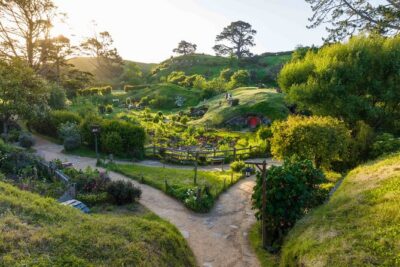
Hobbiton & Waitomo Caves Guided Day Trip from Auckland incl lunch
Read our review →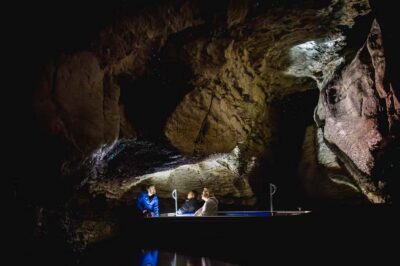
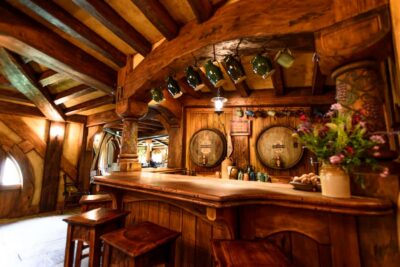
Hobbiton & Waitomo Caves Day Trip with Lunch
Read our review →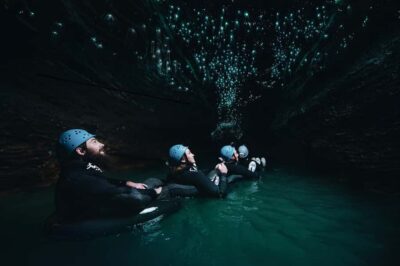
Waitomo Caves: Labyrinth Black Water Rafting Experience
Read our review →
Hobbiton & Waitomo Caves Small-Group Tour W Lunch from Auckland
Read our review →
Waitomo Caves: Ruakuri Cave 1.5 Hour Guided Tour
Read our review →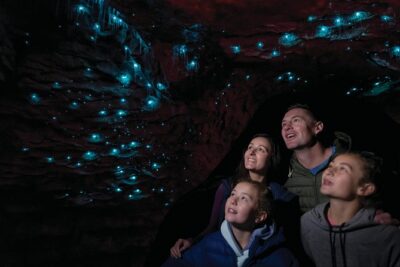
Browse the lists this tour appears in